
Published · Last updated · 5 min read
Quick answer
Diesel bug is the common name for microbial contamination in stored diesel: bacteria, moulds and other organisms that grow where water has got into the fuel. Modern diesel can contain up to 7% biodiesel, which attracts and holds water, giving these organisms the conditions they need to grow.
This guide explains what diesel bug is, what causes it, how long diesel lasts in storage, the signs of contaminated fuel and how contaminated diesel is dealt with once it becomes waste. It is written for businesses that store diesel, including farms, fleets, plant hire companies, marinas, construction sites and sites with standby generators.
Key facts
- Red and white diesel can both contain up to 7% biodiesel, known as FAME
- FAME attracts and holds water, which can lead to mould, bacterial and algae growth
- Stored diesel stays usable for around six to 12 months
- In England and Wales, businesses storing oil, including diesel, in containers of 201 litres or more must follow oil storage regulations
What is diesel bug?
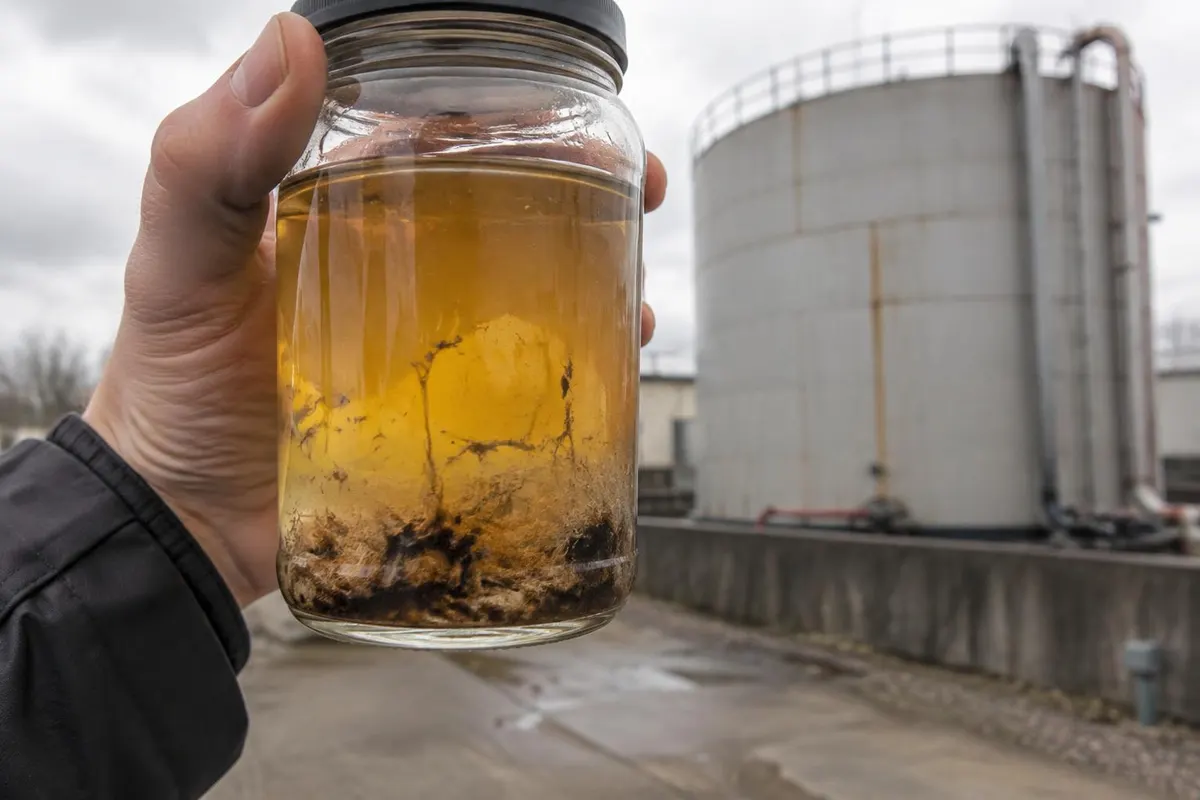
Diesel bug is not a single organism. The term covers the bacteria, moulds and algae that can grow in diesel tanks where water has got into the fuel.
As they grow, these organisms form sludge, slime and sediment. This can block filters, damage fuel systems and, over time, leave the fuel unusable.
What causes diesel bug?
The main cause is water. NFU Cymru explains that both red and white diesel can contain up to 7% bio content in the form of fatty acid methyl ester (FAME), a renewable fuel made from materials such as recycled cooking oils and plant oils. FAME is hygroscopic, meaning it attracts and holds water, which creates the potential for mould, bacterial and algae growth.
NFU Cymru also notes that FAME can break down over time through oxidation and hydrolysis, and that air in a partly filled tank can draw in moisture. Tanks that sit with fuel in them for long periods, such as standby generator tanks, are especially exposed, because the fuel is rarely turned over.
How long does diesel last?
The RAC states that diesel can remain usable for between six and 12 months before it starts to turn "gummy". If used, this degraded fuel can clog filters and cause problems with the engine.
| Fuel | Approximate usable life in storage |
|---|---|
| Diesel | 6 to 12 months |
| Petrol (sealed, 20°C) | Around 6 months |
Source: RAC
These are general figures. Water, heat and microbial growth can all shorten them.
Signs of diesel bug and contaminated diesel
The signs usually show up in the tank or in the equipment it supplies:
- Sediment, sludge or slime in the tank or in fuel samples
- Blocked fuel filters, often needing to be changed more often than usual
- Engines that run poorly, lose power or cut out
- Problems with the fuel injection system
The RAC notes that as diesel decomposes, it can block the fuel filter and parts of the fuel injection system, which can lead to costly repairs. For sediment or bacterial growth in a tank, NFU Cymru's guidance is to seek professional help to remove it and clean the tank.
Which businesses are most affected?
Any business that stores diesel for weeks or months at a time can be affected. Common examples include:
- Standby generators at hospitals, data centres, offices and telecoms sites
- Farm tanks holding red diesel for tractors and machinery
- Plant, construction and hire equipment that sits unused between jobs
- Boats and marina fuel stores
- Fleet depots with their own fuel tanks or bowsers
Rules on storing diesel
In England and Wales, GOV.UK's oil storage regulations apply to businesses and public sector buildings with an oil storage container of 201 litres or more. The rules cover diesel, petrol, biofuels and kerosene, stored in fixed tanks, drums, intermediate bulk containers (IBCs) and mobile bowsers. They also apply to many generators, including standby generators, with a connected tank of 201 litres or more.
The regulations require secondary containment, such as a bund or drip tray, to catch leaks. A bund must hold 110% of the capacity of the container. Separate rules apply to agricultural fuel oil stored on farms for farming purposes.
What happens to contaminated diesel?
Diesel that has been badly affected by diesel bug, water or other fuels can become waste. Contaminated diesel, the sludge from tank bottoms and the water drained from tanks all need to be handled by the business that holds them in line with waste law. Correctly classifying a waste is the legal responsibility of the business that produces it.
National Recycling collects old and contaminated diesel, including red diesel, from businesses as part of its fuel disposal service. Where diesel has been stored in IBCs, we also collect the empty and contaminated containers.
What we need before quoting
To quote for a diesel collection, our team needs:
- A description of the fuel and what it has been contaminated with, if known (for example water, sludge or petrol)
- The Safety Data Sheet (SDS) for the original fuel, where available
- The approximate quantity, and whether it is in a fixed tank, IBCs, drums or a bowser
- The collection address and access details for the tank
We cannot collect unidentified waste. If the contents of a tank or container are not known, our team will review the information available, and testing can be arranged by agreement before a collection is booked.
This article describes the position in England. Different rules may apply in Scotland (SEPA, where hazardous waste is called special waste), Wales (Natural Resources Wales) and Northern Ireland (Northern Ireland Environment Agency).
Frequently asked questions
What is diesel bug?
Diesel bug is the common name for microbial contamination in stored diesel. Bacteria, moulds and algae grow where water has got into the fuel, forming sludge that can block filters and fuel systems.
What causes diesel bug?
Water in the fuel. Diesel can contain up to 7% biodiesel (FAME), which attracts and holds water, creating conditions for mould, bacterial and algae growth.
How long does diesel last in storage?
The RAC states that diesel can remain usable for six to 12 months before it starts to degrade and turn gummy.
Can red diesel get diesel bug?
Yes. Red and white diesel can both contain up to 7% FAME, so both can attract water and support microbial growth.
What are the symptoms of contaminated fuel?
Common signs include sediment or slime in the tank, blocked fuel filters, engines that lose power or cut out, and problems with the fuel injection system.
Sources
- NFU Cymru: Red diesel, what is in it and how to handle it
- RAC: Does fuel go off? Old fuel and fuel storage questions answered
- GOV.UK: Oil storage regulations for businesses
This article is for general information only and does not constitute professional, legal or chemical advice. Waste producers are legally responsible for correctly classifying their waste. For guidance on your specific waste, please contact our team.