
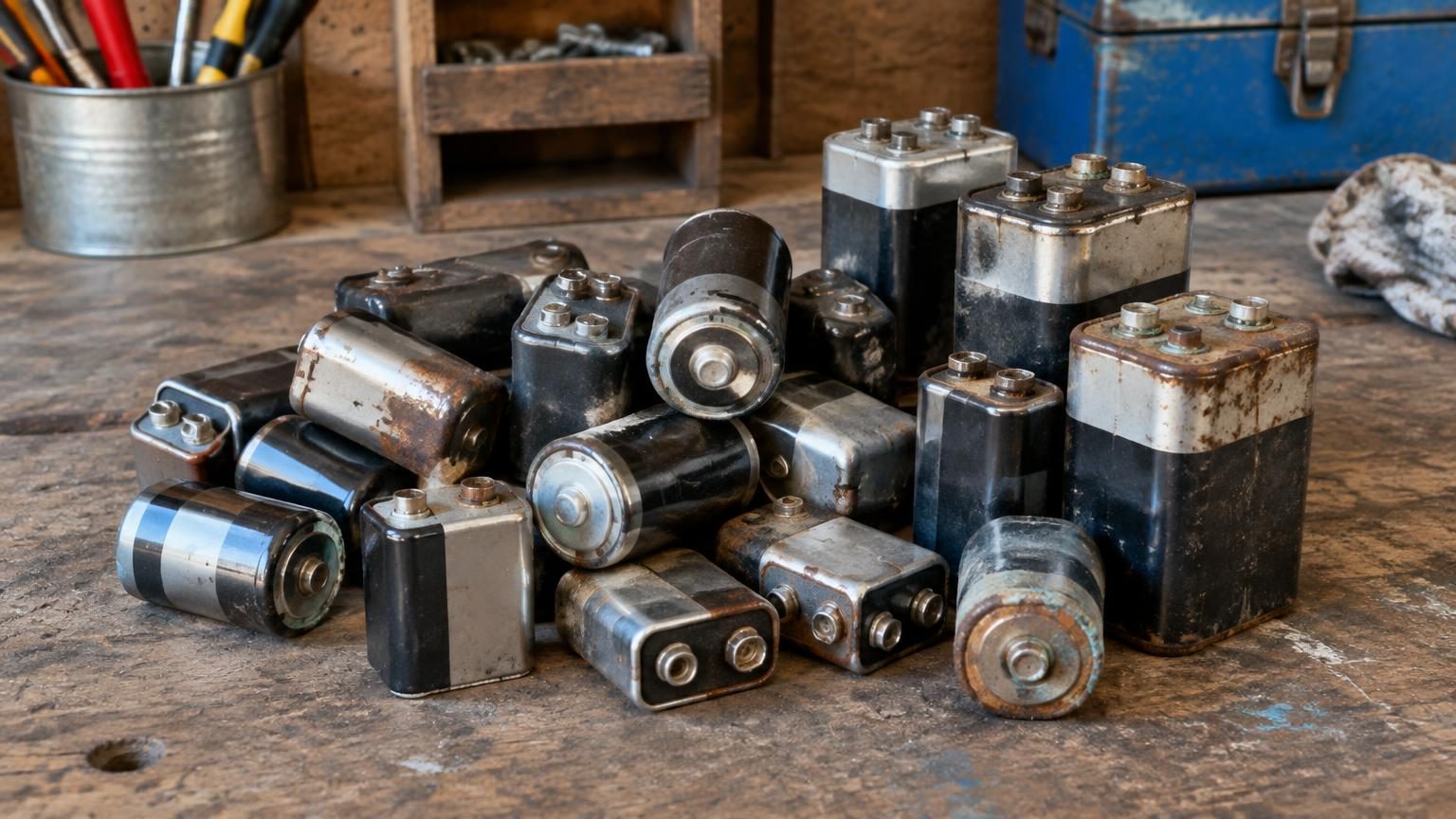
Zinc Carbon Battery Recycling for Businesses
National Recycling provides zinc carbon battery recycling for UK businesses, collecting used zinc carbon and zinc chloride batteries from your site for recycling.
Zinc carbon battery collections
Zinc Carbon and Zinc Chloride Batteries We Collect
We collect zinc carbon and zinc chloride batteries from sites across the UK. This battery type is commonly found in safety devices, remotes, small gadgets and other low-drain electronics.
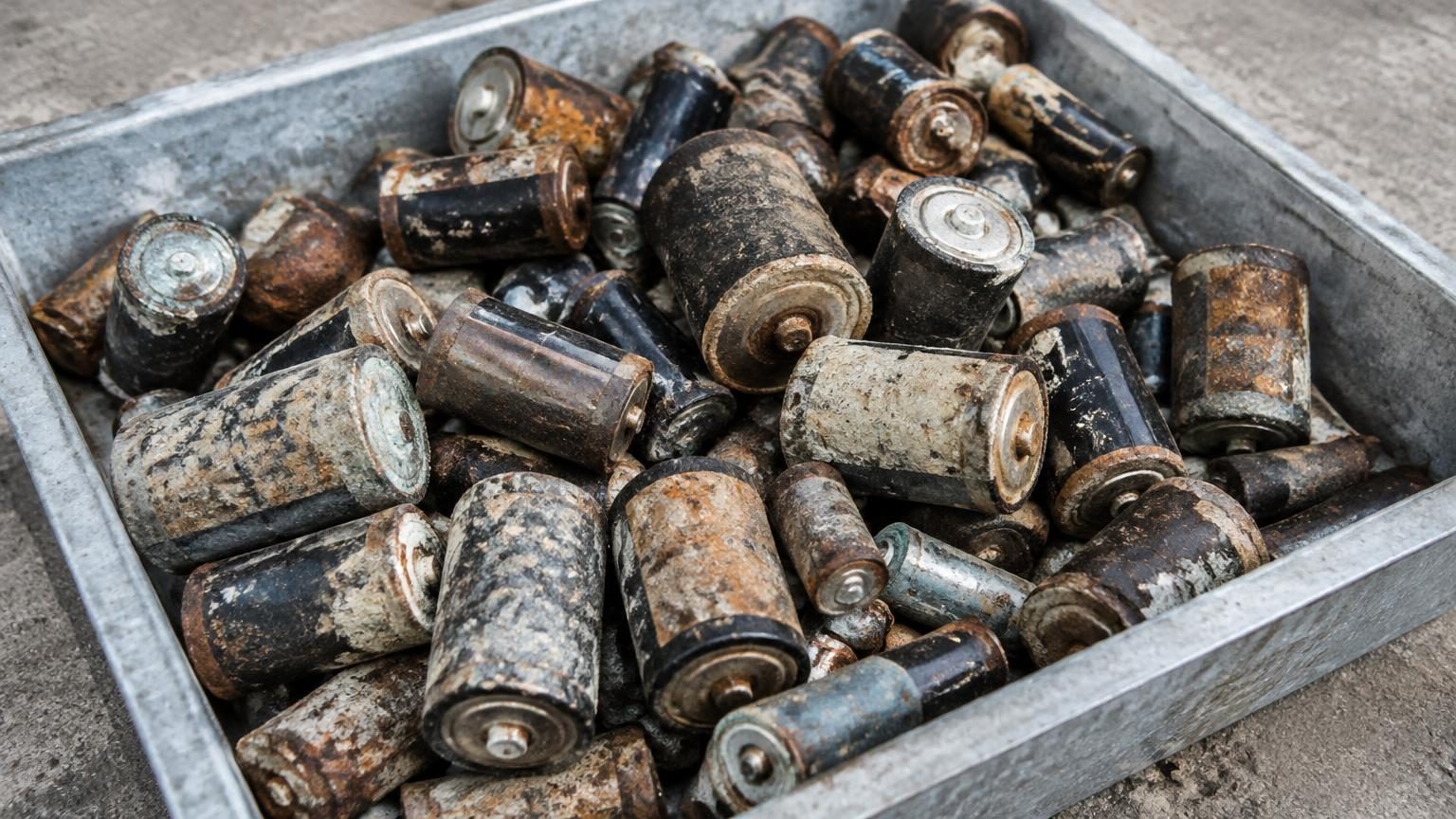
Handled with care.
Zinc carbon batteries.
Standard sizes from clocks, remotes, torches and other low-drain devices.Zinc chloride batteries.
"Heavy duty" batteries from the same kinds of devices.Mixed dry cell batteries.
Zinc carbon batteries in the same bin as your alkaline and other dry cells.
From your site to a fresh start
How Zinc Carbon Battery Recycling Works
- 01
Tell us what you have.
Give us the battery type, quantity and collection postcode through the quote form. - 02
Get your quote.
Our team replies with a quote providing clear pricing details. - 03
Fill your bin.
We can supply UN-approved battery bins and drums in a range of sizes. - 04
We collect.
A verified waste carrier collects on an agreed date, and we replace your bin. - 05
Receive your documents.
Batteries go to a licensed recycling facility, where metals are recovered, and you receive your waste transfer note.
Let’s get it sorted
Arrange Zinc Carbon Battery Recycling
Tell us what you need collected and our team will reply with a quote. Call 0845 366 9306 or request a quote online.
Professional services
Why Zinc Carbon Battery Recycling Matters
Zinc carbon batteries contain zinc, manganese and other materials that can be recovered and used again. Recycling keeps those materials in use instead of sending them to landfill.
Your business has a duty of care under section 34 of the Environmental Protection Act 1990. You must use authorised carriers and keep waste transfer notes for 2 years. The Waste Batteries and Accumulators Regulations 2009 also set rules for how waste batteries are collected and recycled.
A partner you can depend on
Why Choose National Recycling
UK-wide coverage.
Our haulage partners collect from businesses across the country.Battery bins supplied.
UN-approved bins, replaced when we collect.Fully compliant.
Verified waste carriers and licensed recycling facilities, in line with UK regulations.Quick quotes.
A reply to every enquiry.One-off or regular.
Book a single clearance or a scheduled collection, with one supplier for every location.Recycling first.
We recycle wherever it is possible and safe.
Find the right service
Related Battery Services
Can zinc carbon batteries be recycled?
Yes. Zinc carbon batteries can be recycled at a licensed recycling facility, where zinc, manganese and steel are recovered. Businesses should store them in a battery bin with other dry cells and arrange collection through a licensed waste carrier. We collect from businesses across the UK.
What is the difference between zinc carbon and alkaline batteries?
Zinc carbon batteries are a cheaper, lower-capacity battery suited to low-drain devices such as clocks and remotes. Alkaline batteries last longer and suit higher-drain devices. Both are single-use dry cells, and both can go in the same battery bin for recycling.
Is zinc chloride the same as zinc carbon?
Zinc chloride batteries are an improved version of the zinc carbon battery, often labelled "heavy duty". They use a zinc chloride electrolyte and give a little more power. For recycling, they can be collected together with zinc carbon and alkaline batteries.
Do I need to separate zinc carbon batteries from other batteries?
No. Zinc carbon batteries can go in the same bin as alkaline and other dry cell batteries. Keep lithium batteries apart, because they are a fire risk and need extra care. Tell us what you have when you request a quote and we will advise.
Will we get paperwork for the collection?
Yes. You receive a waste transfer note for each collection, which shows your business passed its waste to an authorised carrier and met its duty of care. Keep waste transfer notes for at least 2 years, so you can show them if a regulator or client asks.