
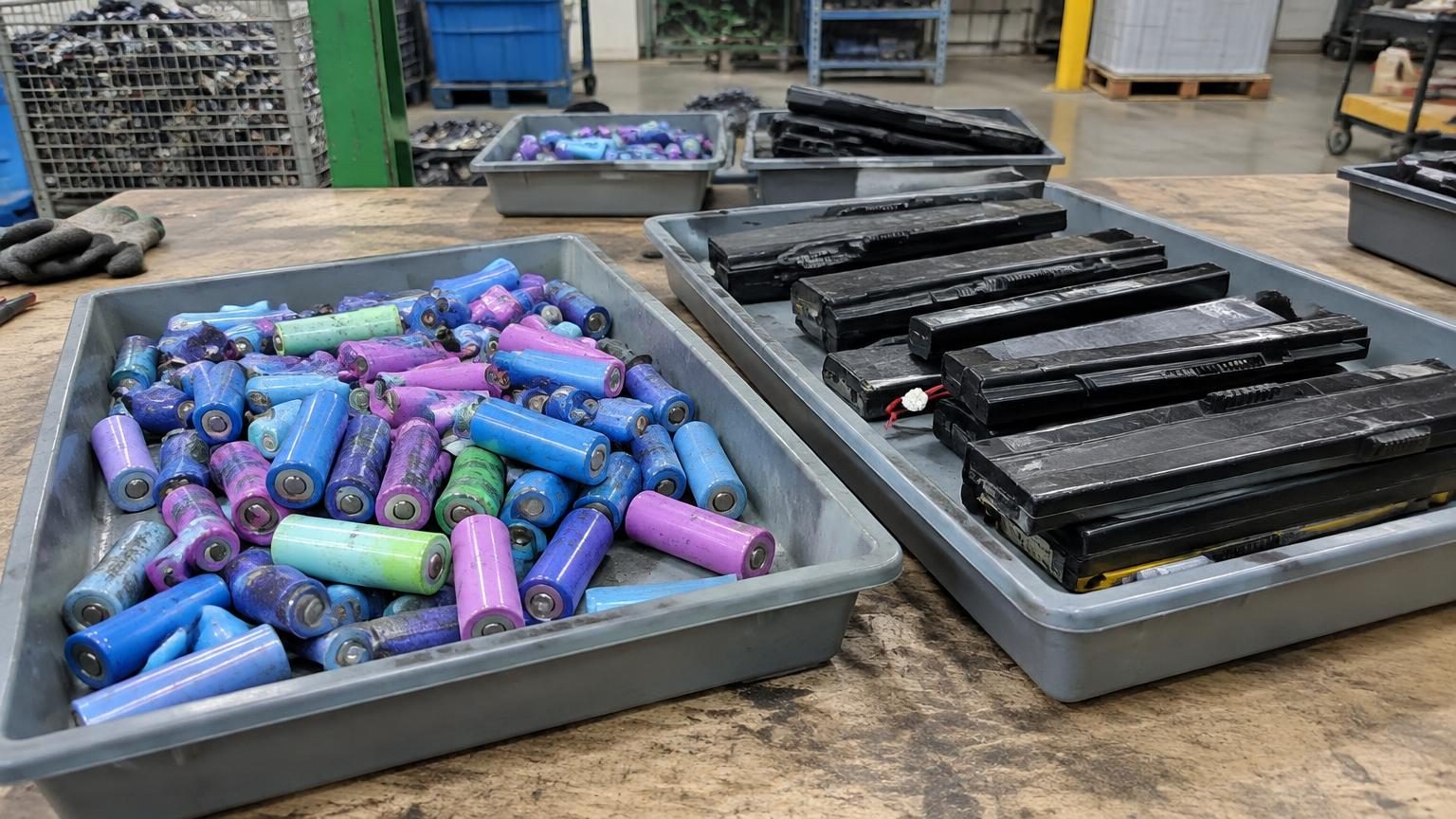
Lithium-Ion Battery Recycling for Businesses
National Recycling provides lithium ion battery recycling for UK businesses, collecting used Li-ion batteries from devices, power tools and equipment nationwide.
Lithium-ion battery collections
Lithium-Ion Batteries We Collect
Lithium-ion batteries power most rechargeable equipment in a modern workplace. We collect them from offices, warehouses, workshops, hospitals, schools and retailers, including:
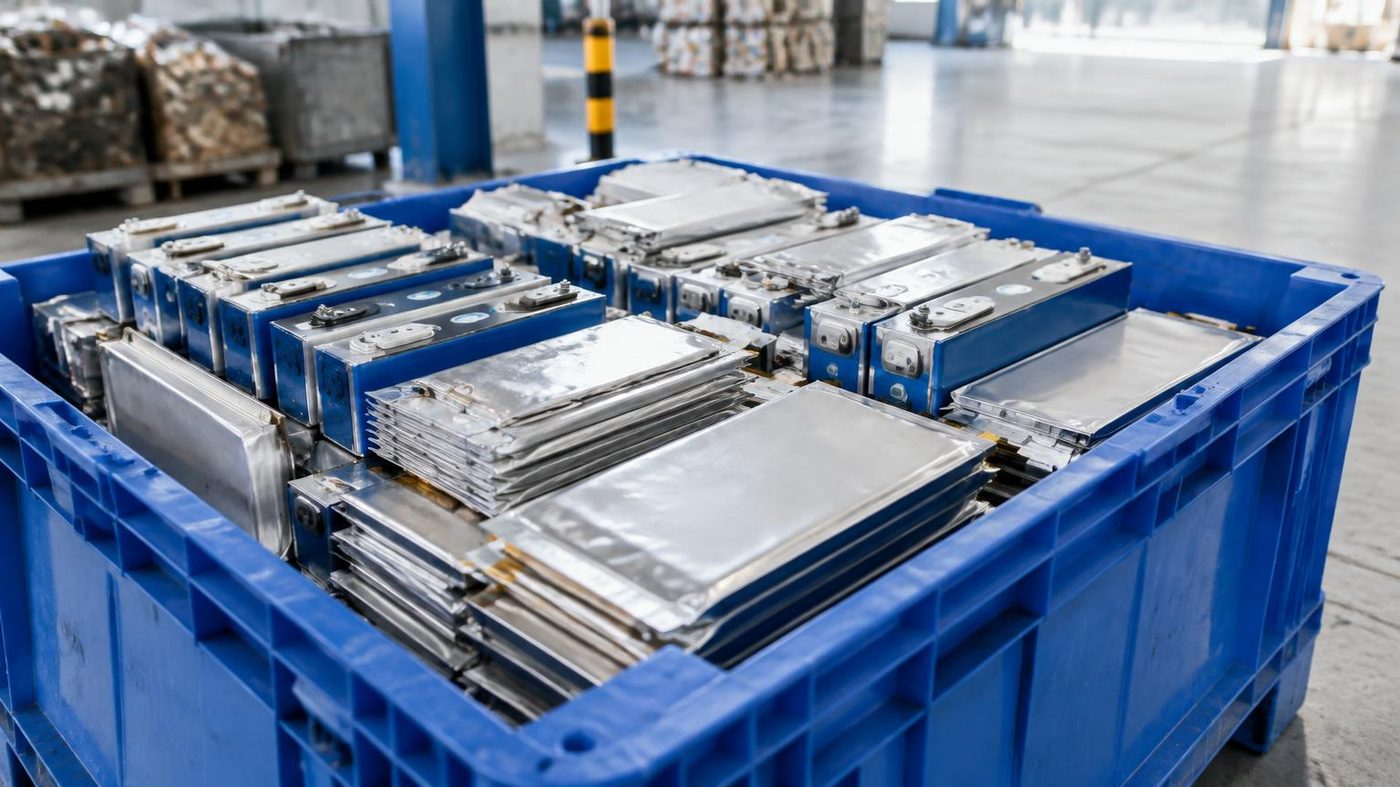
Handled with care.
Portable devices.
Batteries from laptops, phones, tablets, handheld scanners and other rechargeable kit.Power tools.
Cordless drill, saw and tool battery packs from trades, workshops and site teams.Medical devices.
Rechargeable batteries from portable medical and monitoring equipment.E-scooters.
Battery packs from e-scooters used by fleets, staff schemes and repair businesses.Mixed rechargeable batteries.
Loose Li-ion cells and packs gathered from around your site.
From your site to a fresh start
How Lithium-Ion Battery Disposal Works
- 01
Tell us what you have.
Use the quote form to give us the battery type, rough quantity and collection postcode. A photo helps. - 02
Get your quote.
Our team replies with a quote providing clear pricing details. - 03
Store and pack safely.
Keep batteries in a designated area in UN-approved packaging. We can supply battery bins and help you pack. - 04
We collect.
A verified waste carrier from our haulage network collects on an agreed date. - 05
Receive your documents.
Batteries go to a licensed recycling facility, where they are sorted and valuable materials are recovered. You receive the waste paperwork for your records.
Let’s get it sorted
Book Your Lithium-Ion Battery Collection
Tell us what lithium-ion batteries you need collected and our team will reply with a quote. Call 0845 366 9306 or request a quote online.
Professional services
Why Recycling Lithium-Ion Batteries Matters
Lithium-ion batteries are a fire risk when they are damaged, crushed or short-circuited. A single cell in a general waste bin or a waste vehicle's compactor can start a fire, which is why they must never go in general waste.
The Waste Batteries and Accumulators Regulations 2009 say industrial and automotive batteries must not go to landfill or incineration. Your business also has a duty of care under section 34 of the Environmental Protection Act 1990: use authorised carriers and keep waste transfer notes for 2 years.
From your site to a fresh start
How to Store Used Lithium-Ion Batteries Safely
- 01Tape over terminals or bag cells individually to prevent short circuits.
- 02Keep batteries in a cool, dry place, away from heat and flammable materials.
- 03Use a dedicated, lidded battery container rather than a general bin.
- 04Separate any damaged, swollen or hot batteries from the rest and tell us about them.
- 05Never crush, puncture or dismantle a lithium-ion battery.
A partner you can depend on
Why Choose National Recycling
Nationwide collections.
Our network of haulage partners collects from businesses across the UK, from one site to many.Fully compliant.
We use verified waste carriers and licensed recycling facilities, in line with UK regulations.Recycling first.
We recycle wherever it is possible and safe, and arrange compliant disposal for anything that cannot be recycled.Battery bins supplied.
UN-approved bins and drums in a range of sizes, replaced when we collect.Quick quotes.
Our team replies quickly to every enquiry, providing a fast turnaround for collections.One-off or regular.
Book a single clearance or a scheduled collection, with one supplier for every location.
Find the right service
Related Battery Services
How do you dispose of lithium ion batteries?
Businesses should dispose of lithium-ion batteries through a licensed waste carrier that takes them to a licensed recycling facility. Store them safely with terminals taped, keep damaged cells apart, and keep the waste transfer note. National Recycling arranges collection, recycling and paperwork for businesses across the UK.
Can lithium-ion batteries go in general waste?
No. Lithium-ion batteries should never go in general waste or mixed recycling. If a battery is crushed or punctured in a bin or waste vehicle it can short-circuit and start a fire. Keep them in a separate container and arrange a dedicated battery collection.
Why are lithium-ion batteries a fire risk?
Lithium-ion batteries store a lot of energy in a small space. If a cell is damaged, crushed, overheated or short-circuited, it can overheat rapidly and catch fire. That is why they need careful storage, UN-approved packaging and specialist transport when they reach the end of their life.
What should we do with swollen lithium-ion batteries?
Stop using a swollen battery straight away and move it to a safe place, away from heat and flammable materials. Do not puncture or press it. Keep it apart from other batteries and tell our team about it when you request a quote, so we can advise on packing.
What is the difference between lithium and lithium-ion batteries?
Lithium-ion batteries are rechargeable, while some lithium batteries, such as many coin cells, are single-use. Both contain lithium and both are a fire risk if damaged. We collect both types, and our lithium battery page covers larger lithium batteries from EVs, UPS systems and solar storage.
Will we get paperwork for our lithium-ion battery collection?
Yes. You receive a waste transfer note for every collection, or a consignment note where the waste needs one. These records show you met your duty of care. Keep waste transfer notes for 2 years and hazardous waste consignment notes for 3 years.